Curious about Honey? Check out this great article from WebMD!

NEw Haven, COnnecicut
06511
Keep up with our Apiary!
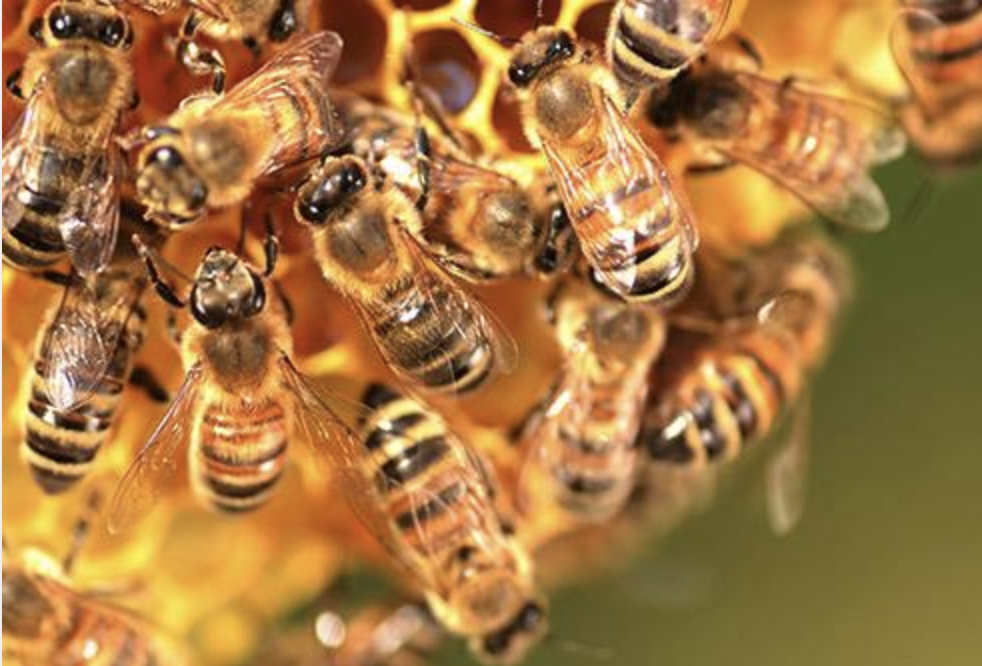
Curious about Honey? Check out this great article from WebMD!
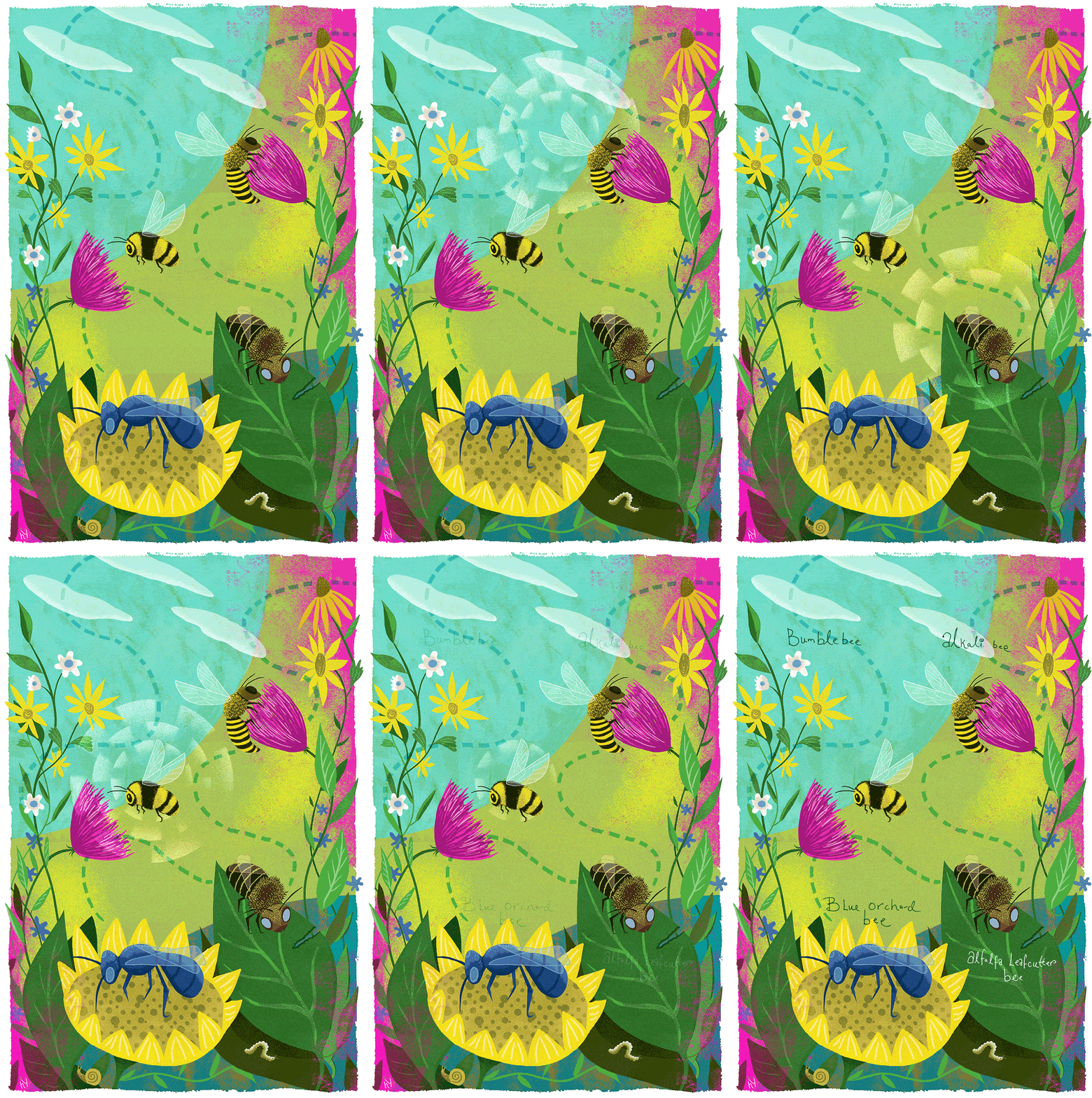
The dominant pollinator is under siege, straining the business of farming. Now growers are turning to alternative species to help their crops. Check out the full article in the New York Times.
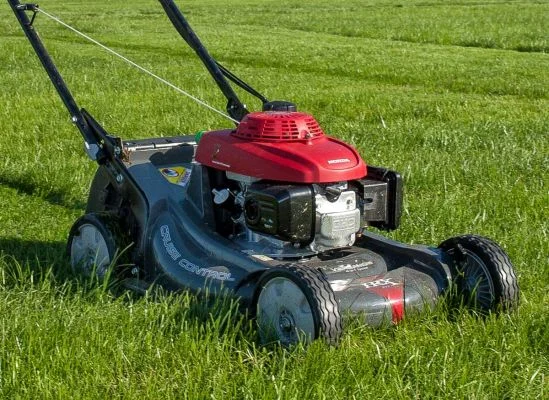
Homeowners concerned about the decline of bees, butterflies and other pollinating insects need look no further than their own back yards. In a new study, researchers suggest that homeowners can help support bee habitat in suburban yards, specifically their lawns, by changing lawn-mowing habits.
It's getting warm out again!
This year, be a lazy lawn mower!
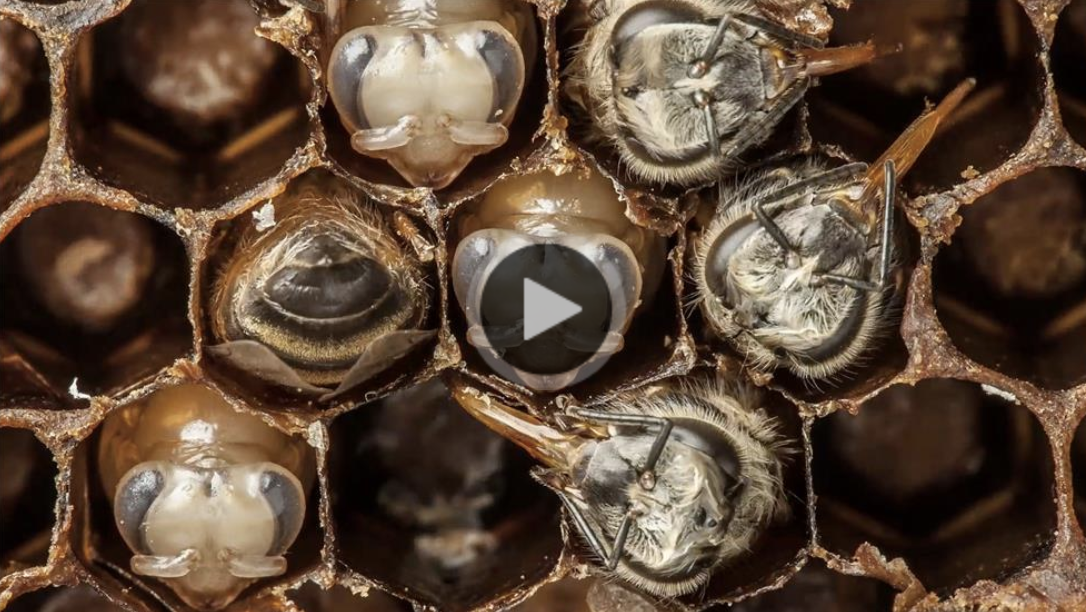
Check out this awesome timelapse of a bee's life, from larvae to adult, in 60 seconds
USA Today
October 9, 2017
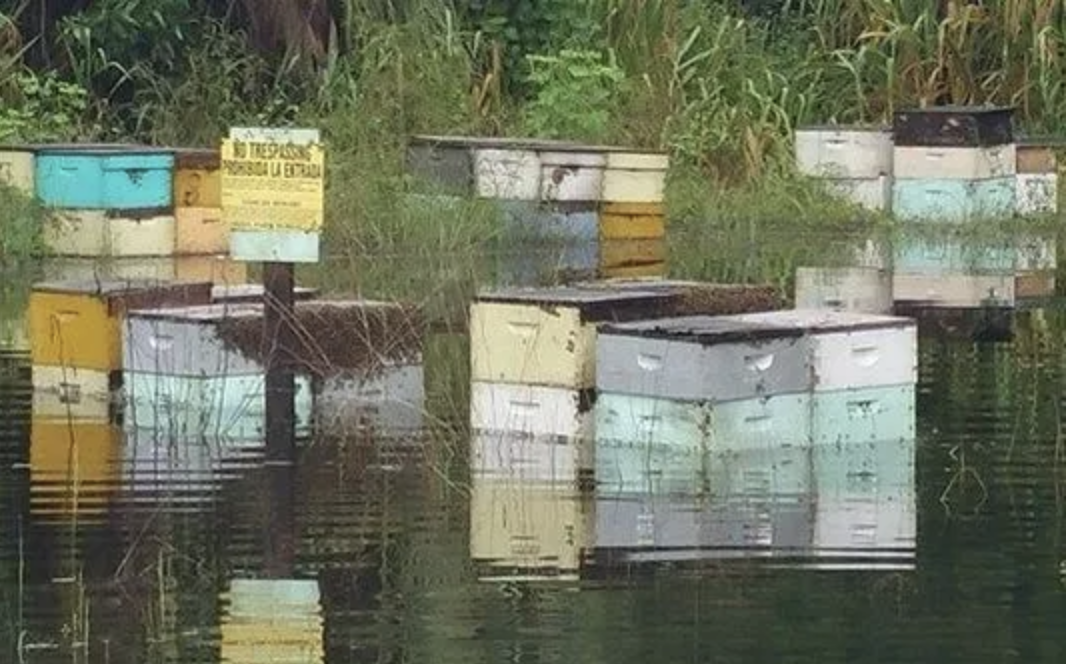
North Fort Myers beekeeper Allen Walker moved some of his bees from Pine Island to Fort Myers in anticipation of Hurricane Irma, but when the storm shifted inland he ended up losing 85 of the relocated hives to flood waters.
Irma's floodwaters also destroyed more than 600 Southwest Florida hives belonging to Cape Coral beekeeper Keith Councell's operations, a loss he pegged at about $300,000.
Walker's and Councell's losses and that of other Florida beekeepers contributed to what agricultural officials said amounted to 7,500 hives lost from the flooding brought by Irma in September.
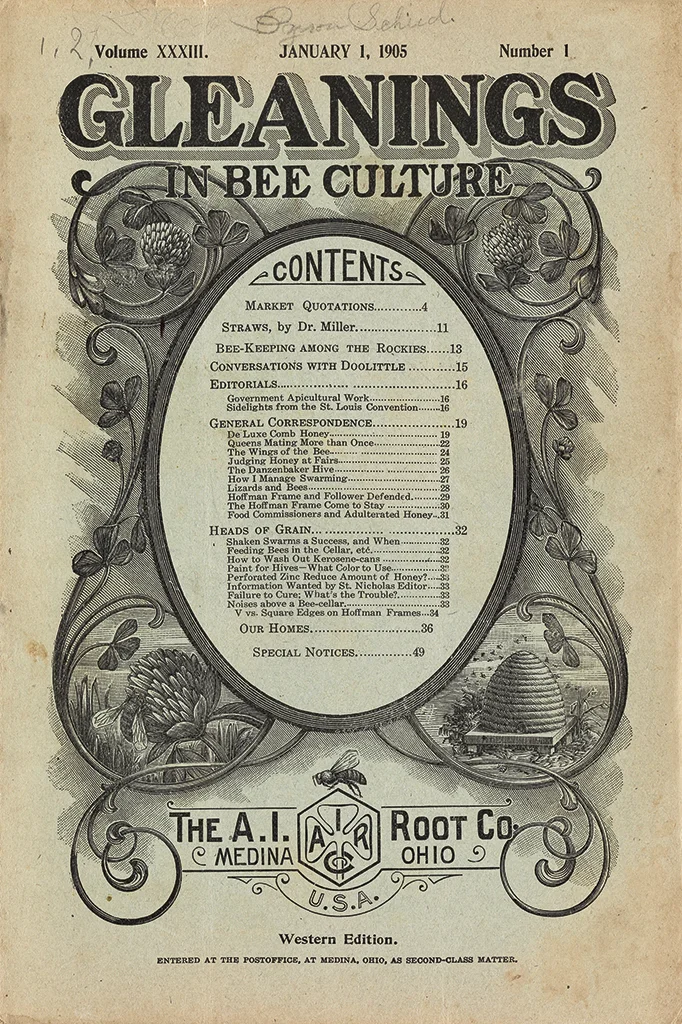
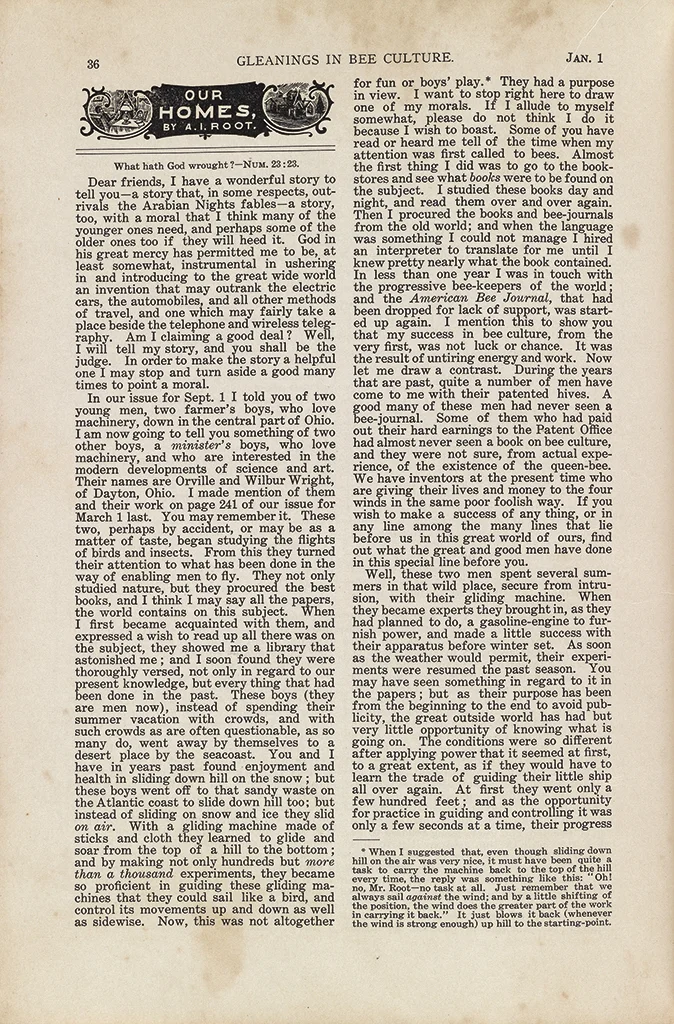
Gleanings in Bee Culture, featuring the first eyewitness report of the Wright brothers in flight. The most unlikely scoop in journalistic history?
Amazing!
NYTimes
August 31., 2017
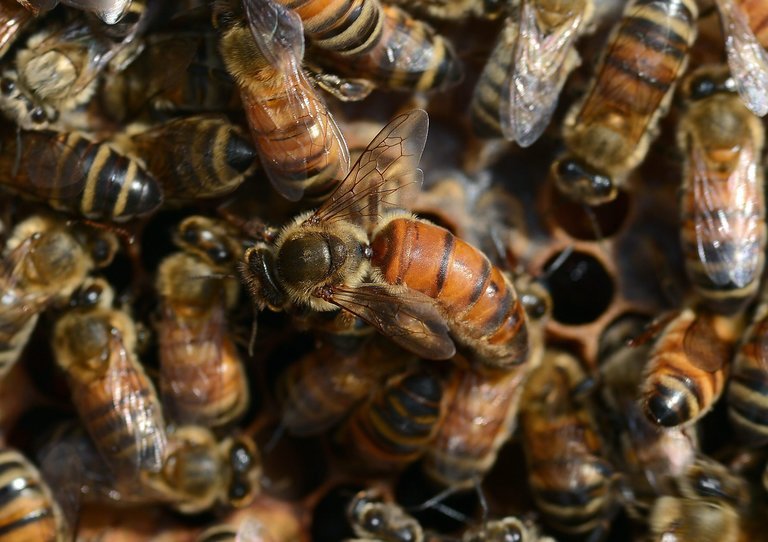
Researchers have identified the molecules in the pollen and honey mixture that honeybee larvae feed on that help determine whether females develop into queens or workers.
In a paper published Thursday in PLOS Genetics, researchers found specific molecules in the pollen and honey mixture that honeybee larvae feed on cause physical changes that determine whether females develop into long-living, reproductive queens or the mostly sterile workers that nourish larvae and collect food.
Researchers have long known that these differences are not determined at birth, but rather are a product of diet. Larvae that eat royal jelly, a substance secreted by the glands of nurse bees, develop into queens, while those that feed on a combination of pollen and honey called bee bread become workers.
Science
June 30, 2017
Vol. 356, Issue 6345, pp. 1393-1395
DOI: 10.1126/science.aaa1190
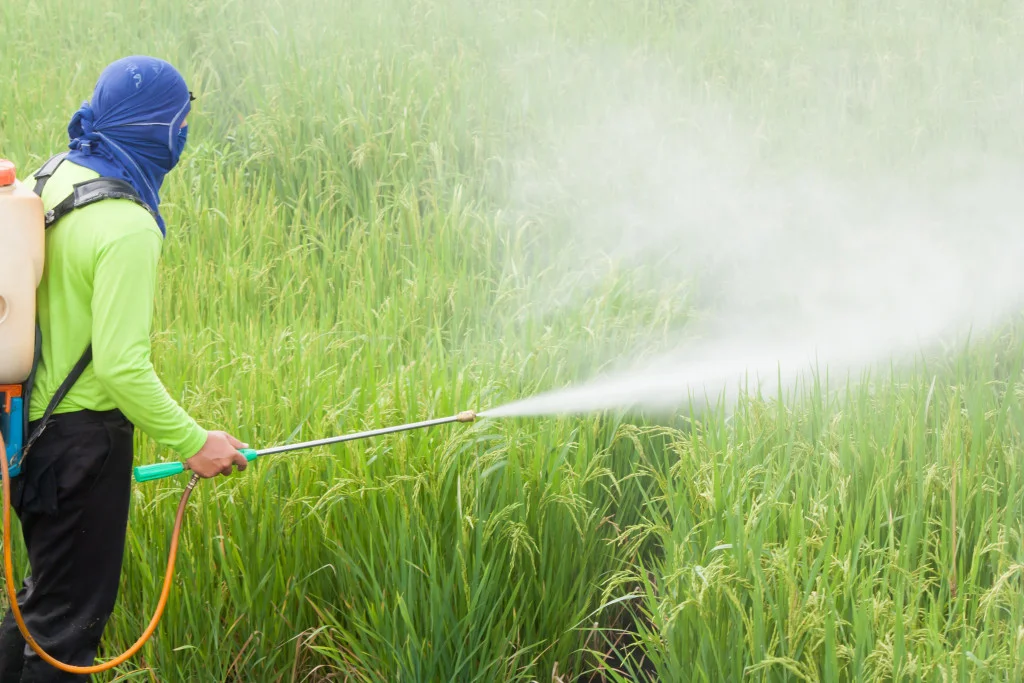
Early studies of the impacts of neonicotinoid insecticides on insect pollinators indicated considerable harm. However, lingering criticism was that the studies did not represent field-realistic levels of the chemicals or prevailing environmental conditions. Two studies, conducted on different crops and on two continents, now substantiate that neonicotinoids diminish bee health.
Tsvetkov et al. find that bees near corn crops are exposed to neonicotinoids for 3 to 4 months via nontarget pollen, resulting in decreased survival and immune responses, especially when coexposed to a commonly used agrochemical fungicide.
Woodcock et al., in a multicounty experiment on rapeseed in Europe, find that neonicotinoid exposure from several nontarget sources reduces overwintering success and colony reproduction in both honeybees and wild bees.
These field results confirm that neonicotinoids negatively affect pollinator health under realistic agricultural conditions.
Quisque iaculis facilisis lacinia. Mauris euismod pellentesque tellus sit amet mollis.