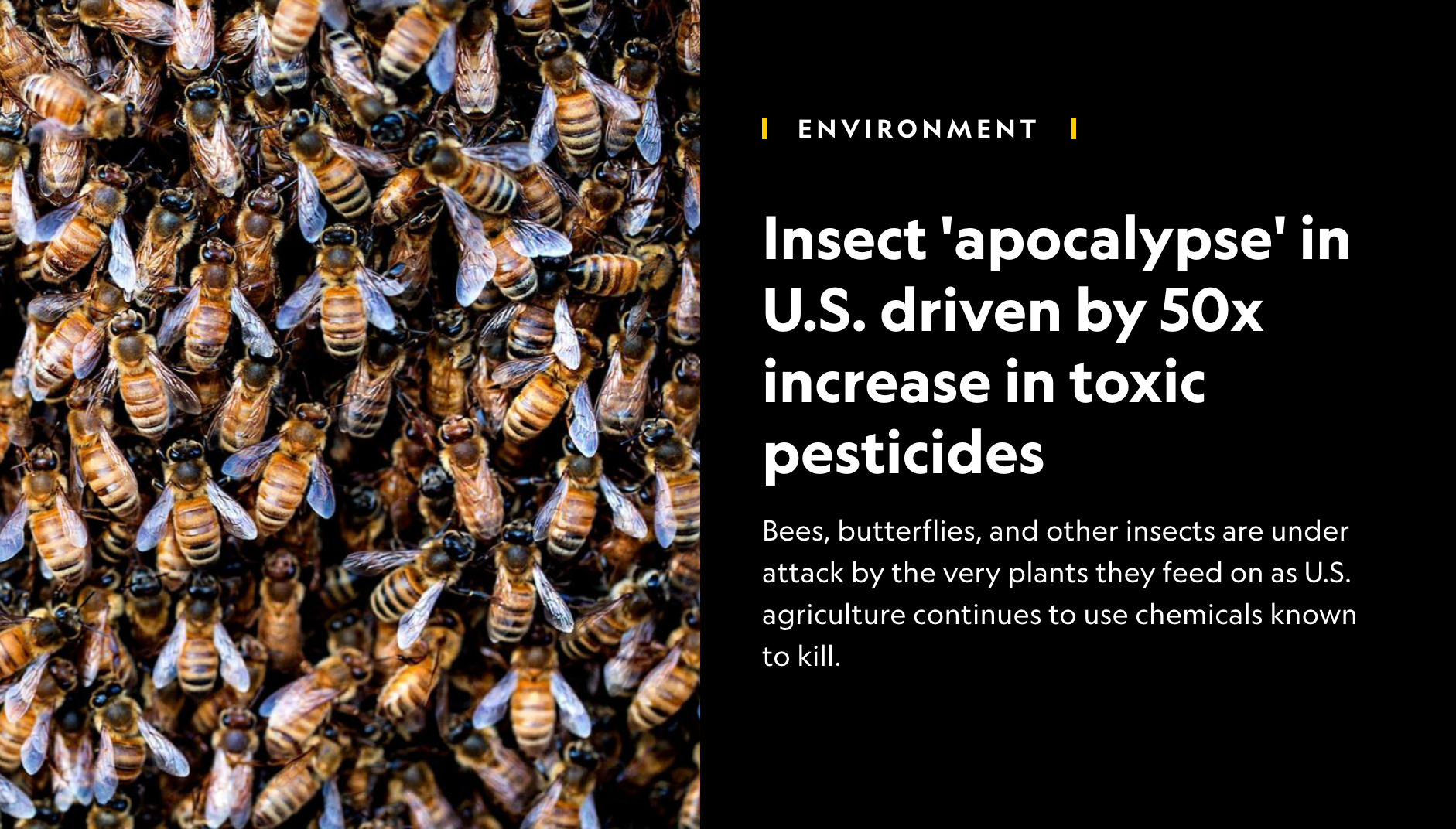
Last year, beekeepers reported a loss of 40% of their honeybee hives, in part due to bee-killing pesticides that agribusiness is using on the U.S.'s crops.
The Trump administration’s response has been to stop studying honeybee populations altogether, shutting down a key USDA study on the bee die-off.
The massive global bee die-off is one of the least-reported environmental catastrophes we've ever faced, and Common Dreams is one of the only news outlets from which the public and policymakers can get the facts they need.
Will you donate to help support coverage of the massive global bee die-off?
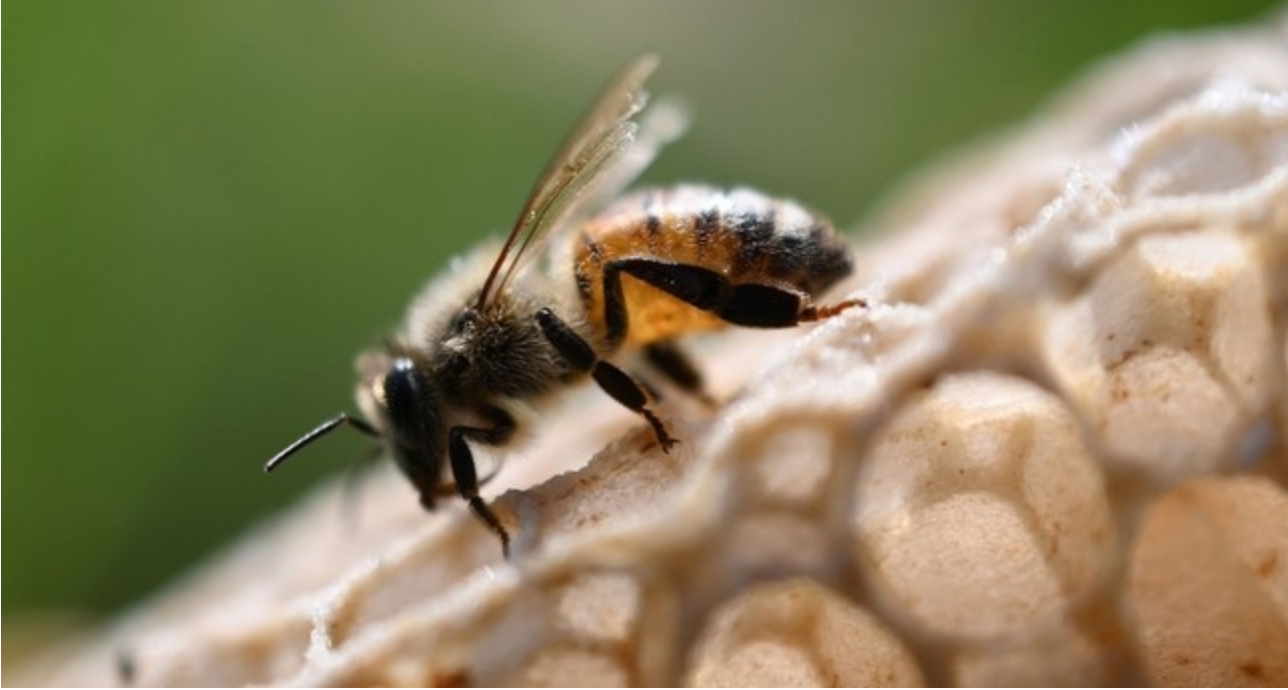
Bees pollinate one in three foods that we eat, and the die-off of natural pollinators caused by bee-killing pesticides is a serious threat to the food supply.
But instead of taking action to save the bees, the Trump administration is trying to cover up the problem.
Trump's USDA just announced that it is ending its Honey Bee Colonies report, critical research for understanding the die-off of the honeybee population. The Honey BeesColonies report tracks bee populations state by state, which is crucial for understanding where bees are dying and what factors are causing colony collapse.
The evidence has been piling up to show that pesticides in widespread use -- particularly neonicotinoids and sulfoxaflor -- are a primary factor in colony collapse. Sulfoxaflor has been found to be highly toxic to bees, even in low doses. Neonicotinoids cause bees to stop breeding and foraging for food.
But the Trump administration is rolling back restrictions on these bee-killing pesticides. Just this month, the EPA dropped restrictions on sulfoxaflor, unleashing the harmful substance on 190 million acres of U.S. farmland. The U.S. Fish and Wildlife Service allows the use of neonicotinoids on millions of acres in wildlife refuges.
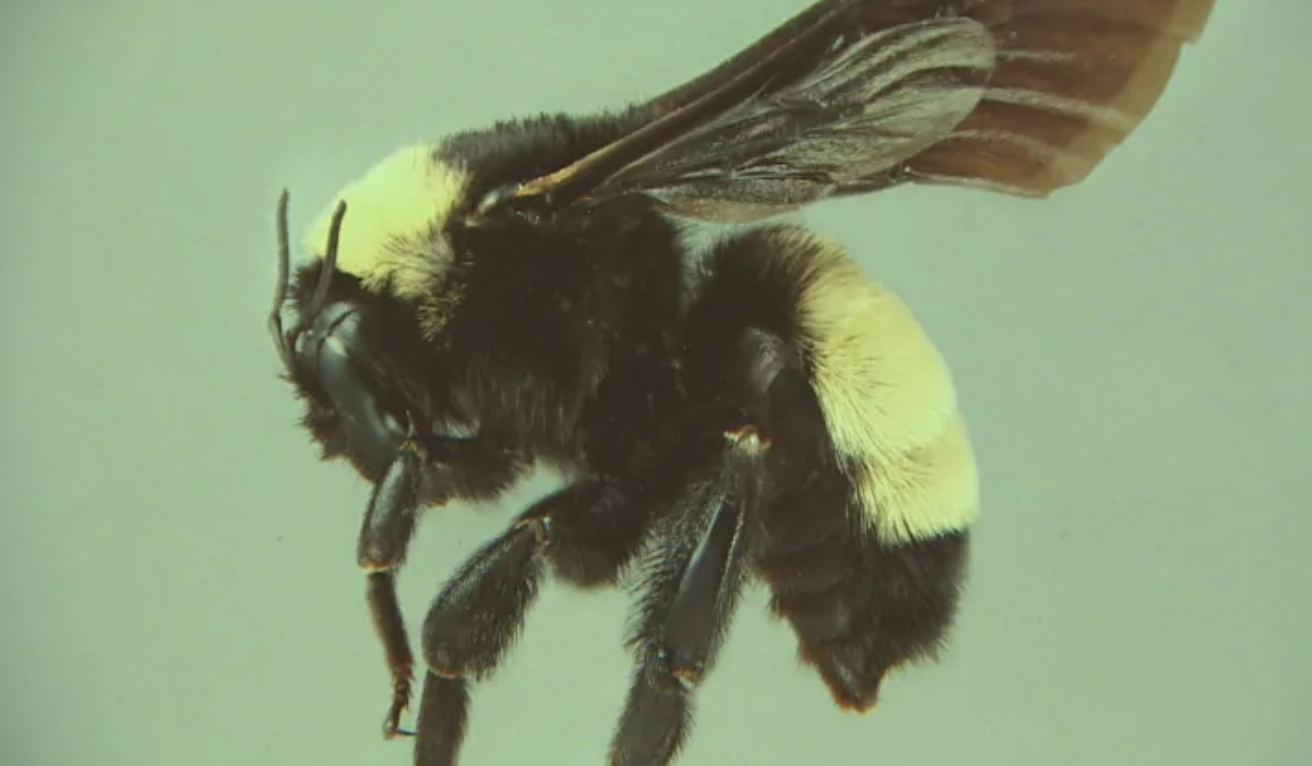
No wonder the USDA dropped its bee study. The number of honeybee hives in the U.S. fell from six million in 1947 to less than two million today, and as long as the Trump administration allows widespread use of bee-killing pesticides, bees could die off altogether -- and the Trump administration doesn't want us to know it's happening.
Now that the USDA is no longer tracking bees, it is more important than ever that Common Dreams report on the research still being done on the threats to bees.
Common Dreams is working to alert the public: No bees, no food. Will you donate to help support our reporting on bee-killing pesticides and help save the bees?



Quisque iaculis facilisis lacinia. Mauris euismod pellentesque tellus sit amet mollis.