

• About
  • Blog
  • Contact
  • Photos
Menu

East Rock Apiary

Street Address
New Haven, CT, 06510
Phone Number

NEw Haven, COnnecicut
06511

East Rock Apiary

  • About
  • Blog
  • Contact
  • Photos
800px-east_rock_from_sss_hall_october_17_2008.jpg

Blog

Keep up with our Apiary!

Return of Long-Lost Bees Creating a Lot of Presidio Buzz

April 28, 2019 Ian Knisely
Screen Shot 2019-04-28 at 2.21.04 PM.png

The sudden appearance of buzzing insects around Brian Hildebidle’s feet as he surveyed a dune restoration project in the Presidio last week startled him and prompted alarming visions of volunteer workers fleeing from angry yellow jackets.

The stewardship coordinator for the Presidio Trust was about to run when he noticed the insects were a grayish color and swirling in a strange pattern close to the ground.

“I was really curious because I had never seen that flying pattern,” said Hildebidle, who leads volunteers on weekly weed-pulling and planting expeditions and is quite familiar with the park’s bug denizens.

The insects, which he said numbered in the hundreds, turned out to be silver digger bees, a rare sand-loving species that had not been seen in San Francisco in significant numbers for the better part of a century.
Full Article Here

Commercial Honeybees Threaten to Displace Utah’s Native Bees

March 18, 2019 Ian Knisely
Screen Shot 2019-03-18 at 1.30.52 PM.png

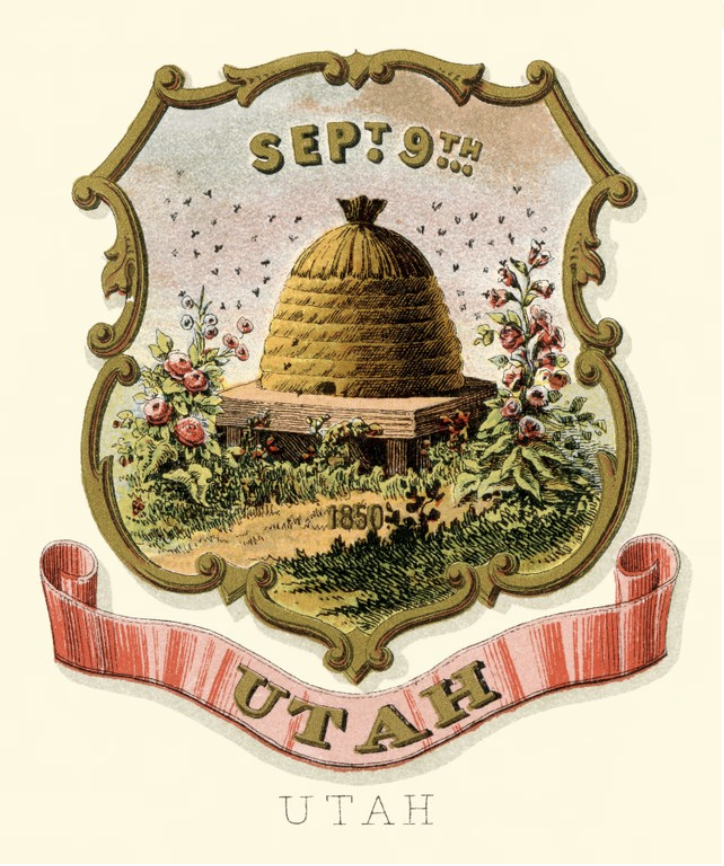
Although a beehive adorns Utah’s state seal, honeybees are not native to the “Beehive State.” They arrived in Utah with Mormon settlers, who held the honeybee in high regard for what they considered its industrious nature and collective spirit, virtues they saw embodied in their own community. The Church of Jesus Christ of Latter-day Saints leader Brigham Young initially named the region “Deseret,” the Book of Mormon’s word for honeybee.

Less celebrated is the state’s notable native bee diversity. In Grand Staircase-Escalante National Monument alone, more than 650 native bee species have been identified. By comparison, just 750 documented native bee species exist in total east of the Mississippi River. 

Now, a push to store commercial honeybees in Utah’s Manti-La Sal National Forest could threaten its native bee diversity. Located about 100 miles north of Grand Staircase, the national forest is home to hundreds of native bee species, including the declining western bumblebee. Scientists worry that a large influx of honeybees could bring resource competition, disease and ecosystem impacts.

Full Article Here

Vaccine for Honeybees Could Be a Tool to Fight Population Decline

March 6, 2019 Ian Knisely
Screen Shot 2019-03-06 at 4.50.35 PM.png

At a time when some beekeepers are struggling to keep their colonies alive and pollinating, the prospect of a vaccine for honeybees has offered a flicker of hope.

The scientists behind the project say the vaccine is designed to protect honeybees from microbial diseases that can decimate bee populations. If the technology can be adapted to fight a multitude of infections, experts hope it can provide one solution for the array of problems facing bees, which pollinate about one-third of food in the United States.

Full Article Here

An Inside Look at How the Varroa Mite's True Diet was Discovered

February 23, 2019 Ian Knisely
Screen Shot 2019-02-23 at 9.41.23 AM.png

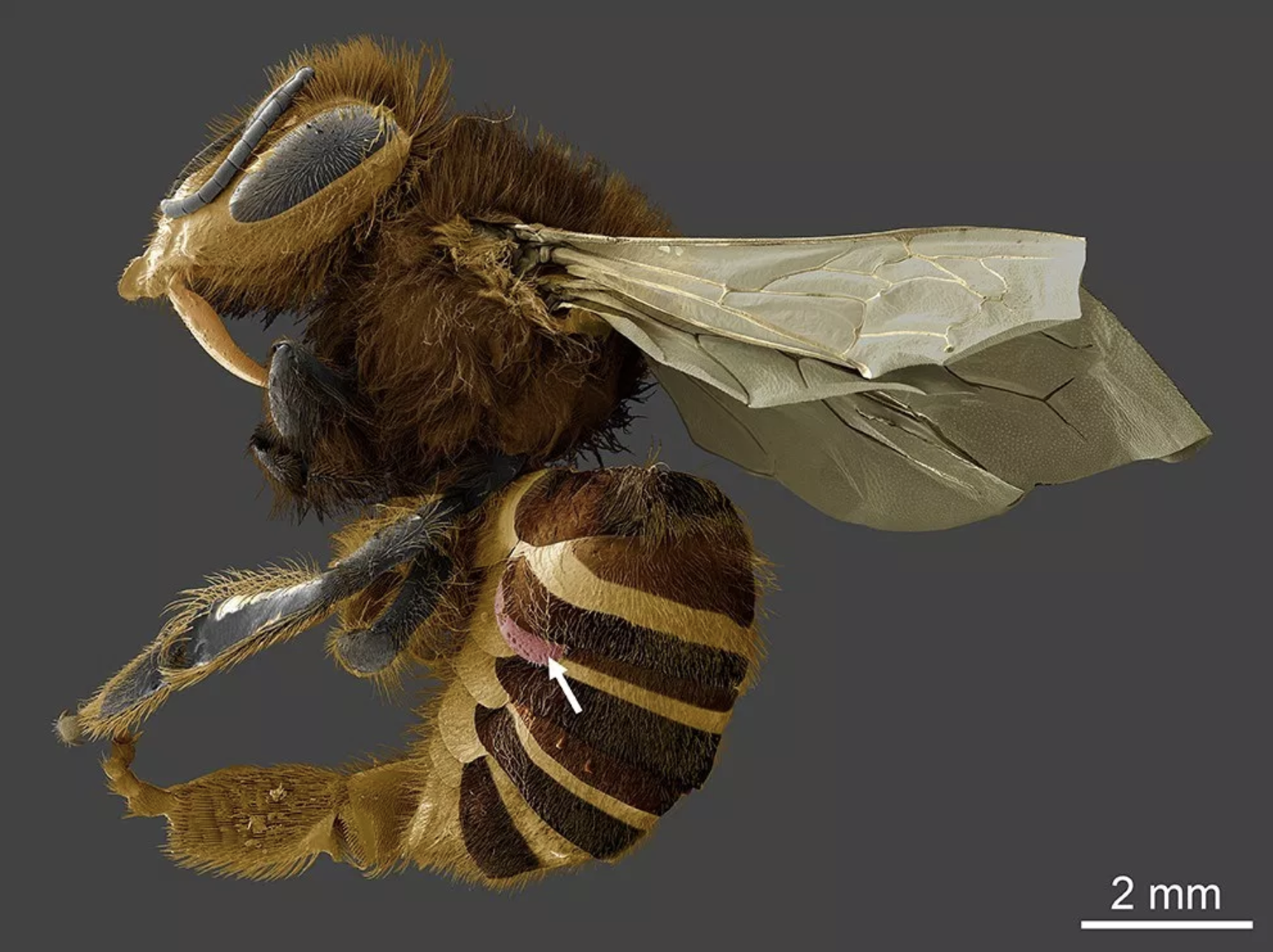
Varroa destructor, a mite that feeds on honey bees, is the greatest single driver of the global honey bee health decline. For years, scientists and bee keepers were told that the Varroa mite feeds on hemolymph (the bee’s blood) based on scientific research done long ago. However, for our research team led by Samuel Ramsey, Ph.D., this did not make sense, as the mite’s digestive system and mouthparts just did not seem like they were structured properly for blood feeding. Their closest evolutionary relatives were not blood feeders either. As pointed out by insect-rearing expert Allen Cohen, Ph.D., even their excrement was all wrong for them to be blood feeders.

So, how and on what exactly do these mites feed? Our discovery is documented in a paper published in late January in Proceedings of the National Academy of Sciences.

Full Article Here

Scientists Say Bees Can Do Basic Math

February 15, 2019 Ian Knisely
Screen Shot 2019-02-15 at 2.10.43 PM.png

Does math give you trouble? Here's some encouragement: Despite their miniature brains, a new study says honeybees can learn basic arithmetic. If they can do it, so can you!

Full Article Here

California’s Alomond Harvest has Created a Golden Opportunity for Bee Thieves

October 22, 2018 Ian Knisely
Screen Shot 2018-10-22 at 9.54.27 AM.png

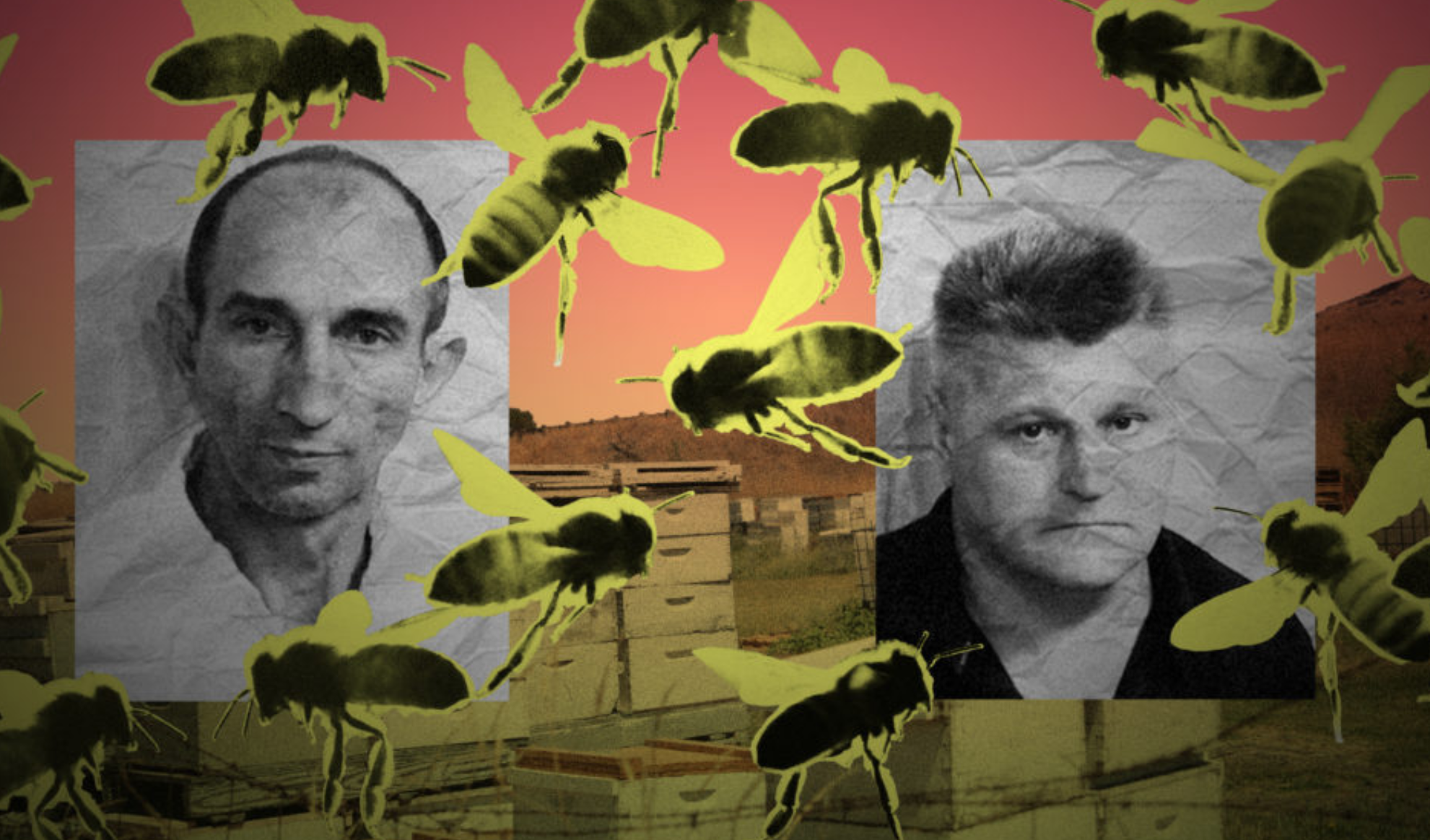
The economics of stealing beehives is a lot like the economics of stealing any high-value item, such as jewelry or electronics, with the main difference being accessibility. During the almond harvest, hives in California’s orchards rarely are protected by alarms or even fences, and equipping individual boxes with GPS trackers is prohibitively expensive for most. To ensure the best pollination results, beekeepers usually place their boxes just off remote roads, hidden by trees, miles from so much as a streetlight. It’s perfectly common for thousands of dollars’ worth of bees to sit largely unattended for weeks at a time.

Full Article Here

Invasion of the ‘Frankenbees’: The Danger of Building a Better Bee

October 21, 2018 Ian Knisely
Screen Shot 2018-10-21 at 9.11.18 PM.png

Beekeepers are sounding the alarm about the latest developments in genetically modified pollinators

Full Article Here

Fungus Provides Powerful Medicine in Fighting Honey Bee Viruses

October 21, 2018 Ian Knisely
BUZZ-10-13-2018-768x635.jpg

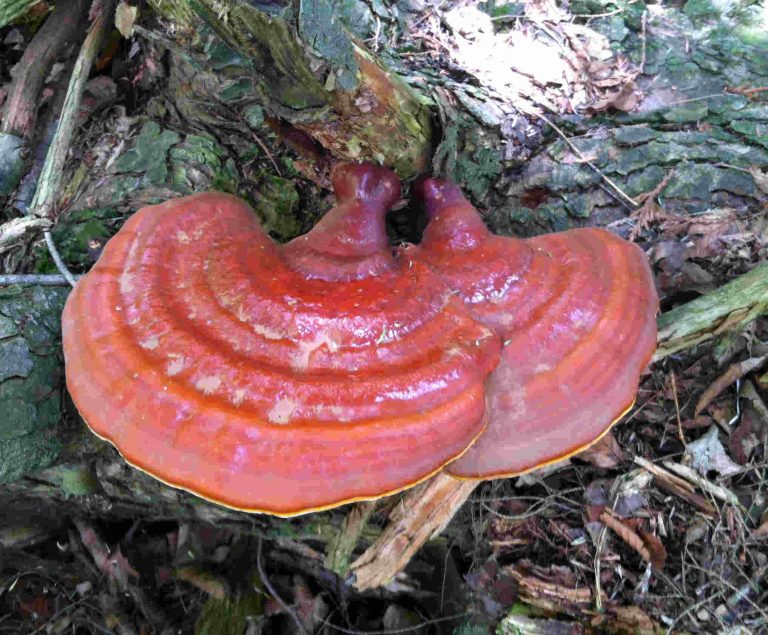
A mushroom extract fed to honey bees greatly reduces virus levels, according to a new paper from Washington State University scientists, the USDA and colleagues at Fungi Perfecti, a business based in Olympia, Washington.

In field trials, colonies fed mycelium extract from amadou and reishi fungi showed a 79-fold reduction in deformed wing virus and a 45,000-fold reduction in Lake Sinai virus compared to control colonies. Though it’s in the early stages of development, the researchers see great potential in this research.

Check out Full Article here.

Times Square Street Shut Down After Bees Swarm Hot Dog Stand

August 28, 2018 Ian Knisely
1535487160363.jpg

New York Post
By Sydney Denmark and Natalie Musumeci

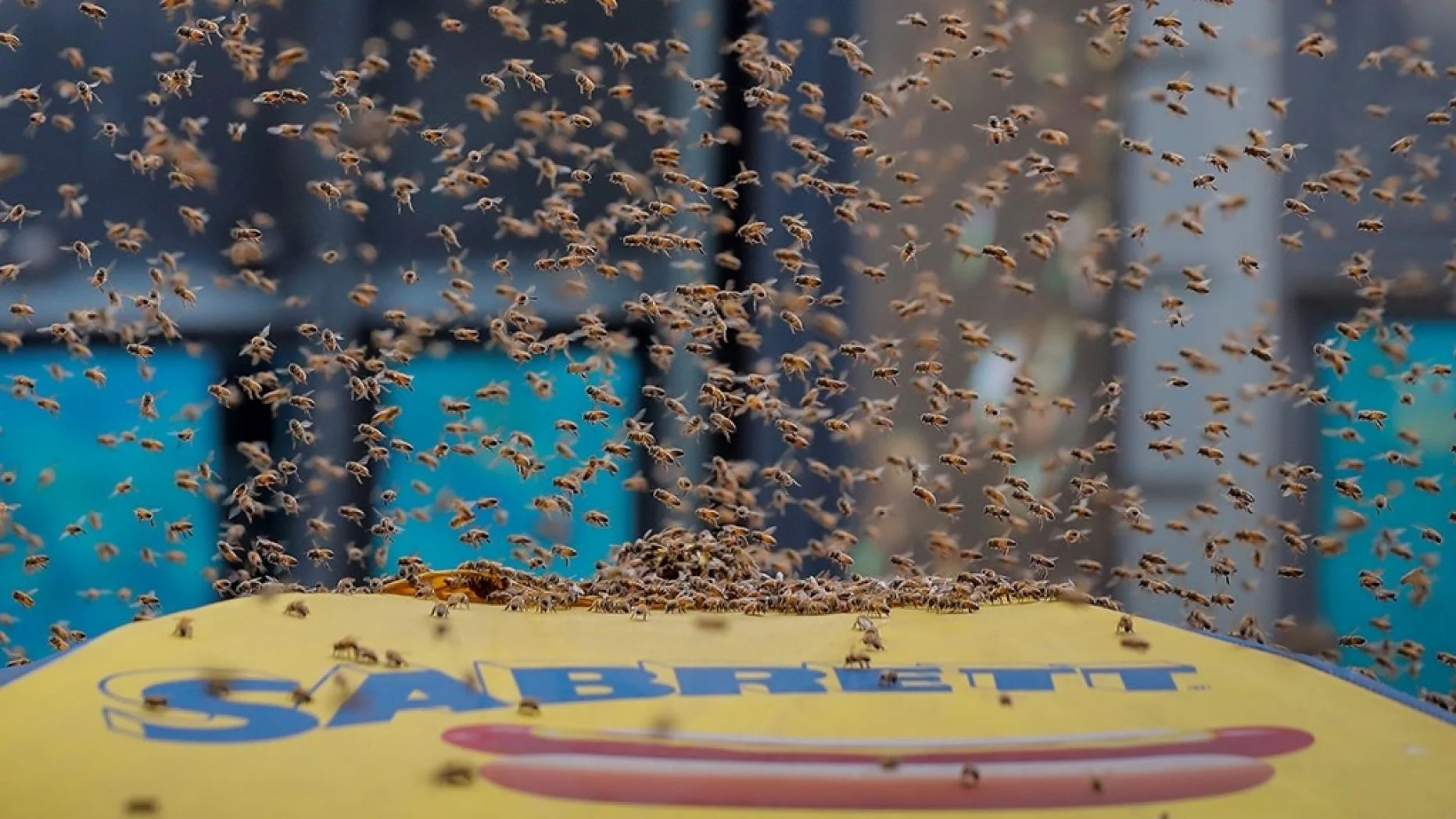
Even New York City bees can’t resist the Big Apple’s dirty water dogs. A swarm of thousands of bees made their home atop the umbrella of a Sabrett hot dog stand in the heart of Times Square, prompting a police response and the closure of a city street Tuesday afternoon.

Read Full Article Here

Paris Bees at Work From Notre-Dame to the Luxembourg Gardens

August 27, 2018 Ian Knisely
Screen Shot 2018-08-27 at 7.25.53 PM.png

The New York Times
Alissa J. Rubin

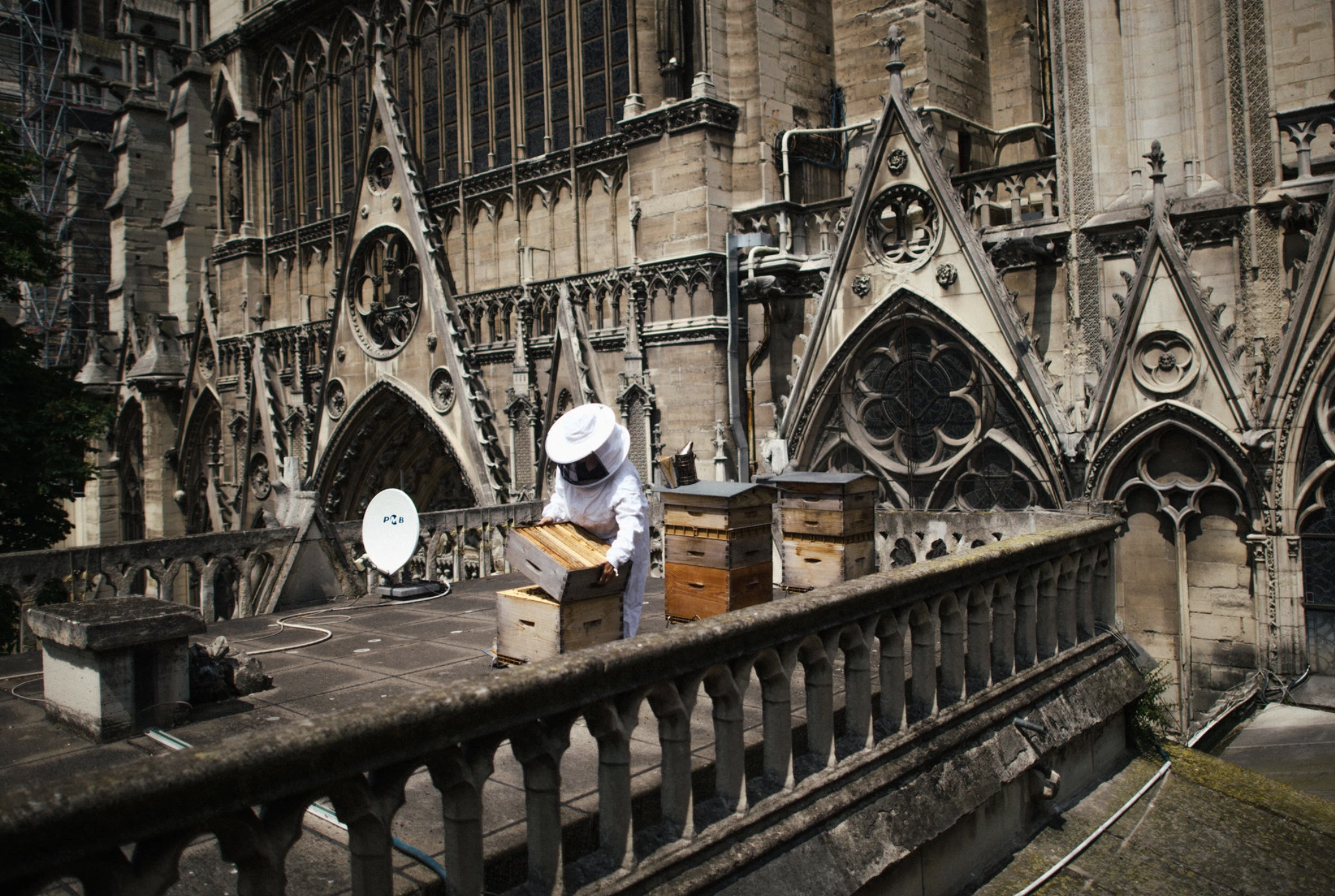
Paris has seen a marked rise in urban beekeeping, with more than 1,000 hives atop landmark buildings as well as in community gardens across the city.

Full Article Here


← Newer Posts Older Posts →
Summary Block
This block is invalid. Please check the block settings and try again.
Featured
Aenean eu leo Quam
Aenean eu leo Quam

Quisque iaculis facilisis lacinia. Mauris euismod pellentesque tellus sit amet mollis.

Read more →

Powered by Honeybees